Discovering the World of Genital Tucking

What is Genital Tucking?
What Is Genital Tucking?
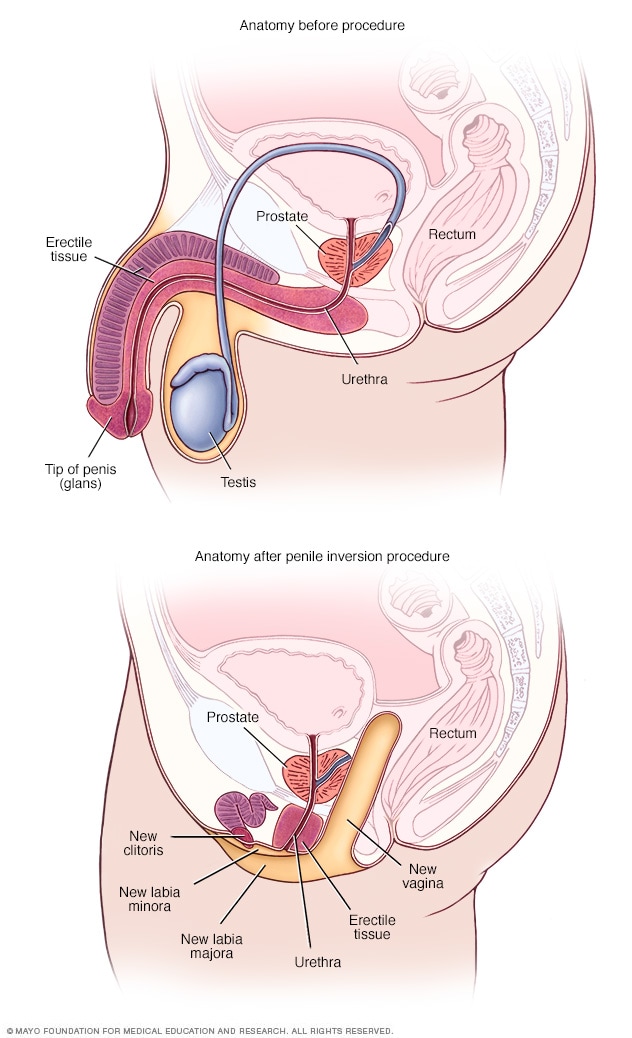
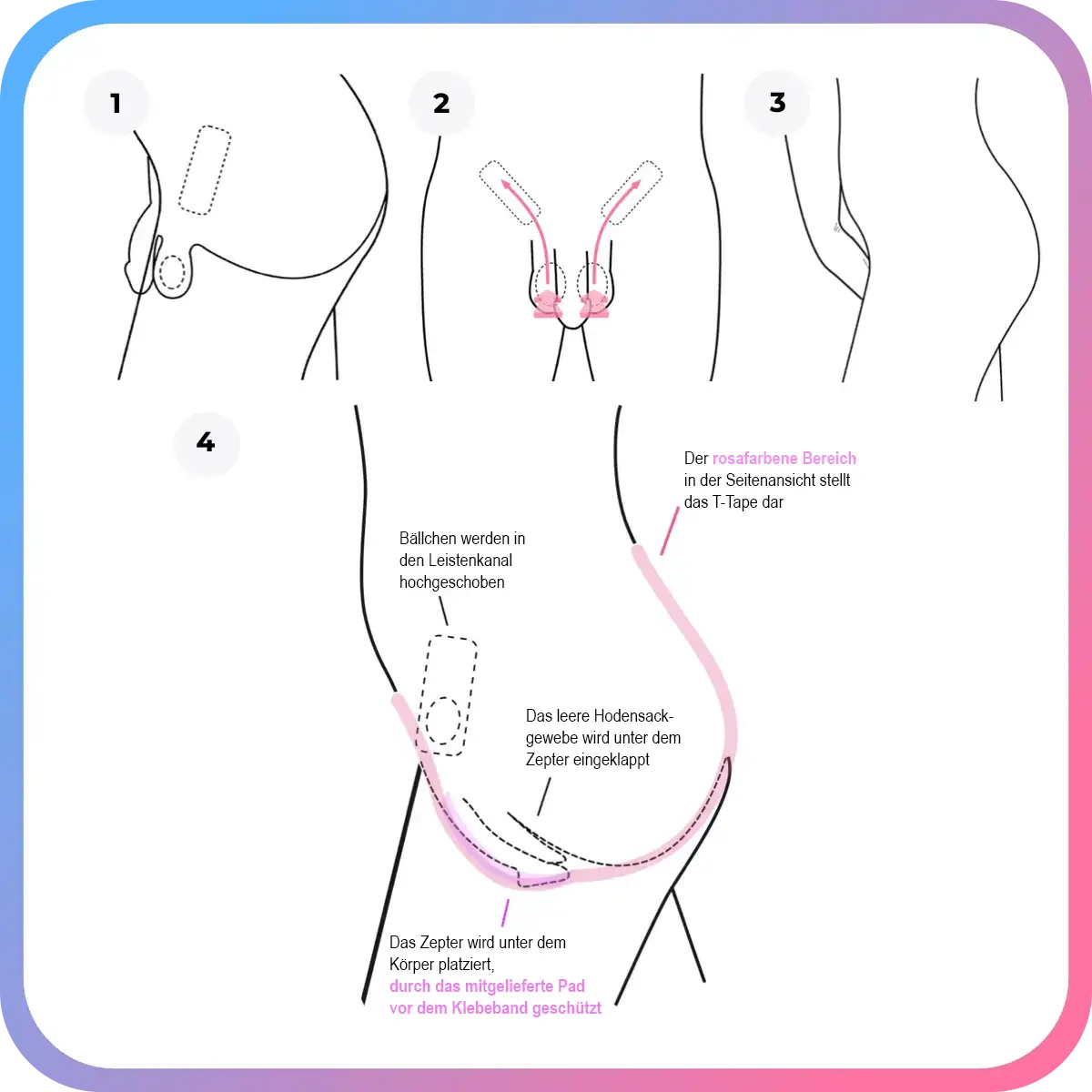

Genital tucking is a method of arranging external genitalia—primarily the penis and testicles—so the front of the body appears flatter and smoother under clothing. The goal is to create a feminine or gender-neutral silhouette, especially when wearing form-fitting garments like dresses, leggings, swimwear, or performance costumes.
Tucking is non-surgical, temporary, and reversible. It relies on anatomy, compression, and supportive garments rather than permanent physical changes.
Why People Tuck
People tuck for many different reasons, often overlapping:
1. Gender Expression & Identity
- To align physical appearance with gender identity
- To reduce gender dysphoria
- To feel more comfortable and confident in public or private spaces
2. Clothing Fit & Aesthetics
- To achieve a smooth front in tight clothing
- To wear garments designed for a flatter anatomy
- To avoid visible outlines (“bulge”) in certain outfits
3. Performance & Presentation
- Stage performers, dancers, drag artists, and cosplayers often tuck for visual consistency
- Swimwear, costumes, and bodysuits frequently require a smooth profile
4. Personal Comfort & Control
- Some people tuck simply because it feels affirming, calming, or physically neat
- Others prefer the sensation of containment and support
Who Practices Genital Tucking?
Genital tucking is practiced by people across a wide spectrum of identities and lifestyles:
Transgender Women (MTF)
- One of the most common groups to tuck
- Often used daily or situationally (work, social events, swimming)
- Can be used by pre-op and non-op trans women
Non-Binary & Gender-Diverse People
- Tucking allows flexibility between masculine, feminine, and neutral presentation
- Often combined with other gender-affirming clothing choices
Drag Performers & Entertainers
- Tucking is standard practice in drag
- Allows dramatic silhouettes and costume accuracy
Femboys, Crossdressers & Feminine Men
- Used to explore femininity or specific fashion aesthetics
- Often situational or part of self-expression
Cosplayers & Performers
- Certain costumes require a smooth or stylized body shape
- Tucking helps match character design
Cisgender Men (Occasionally)
- For fashion, performance, or curiosity
- Not always tied to gender identity
How Genital Tucking Works (Anatomy Basics)
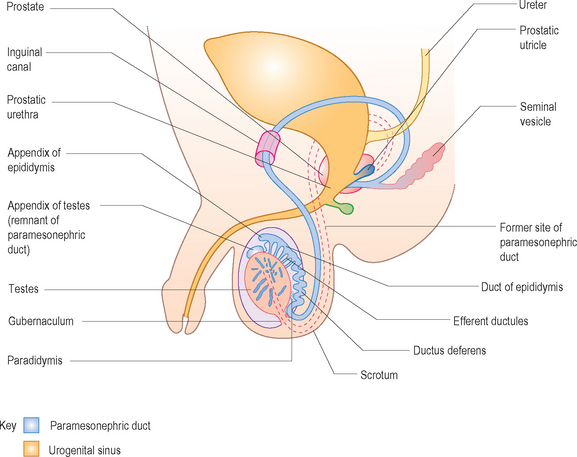
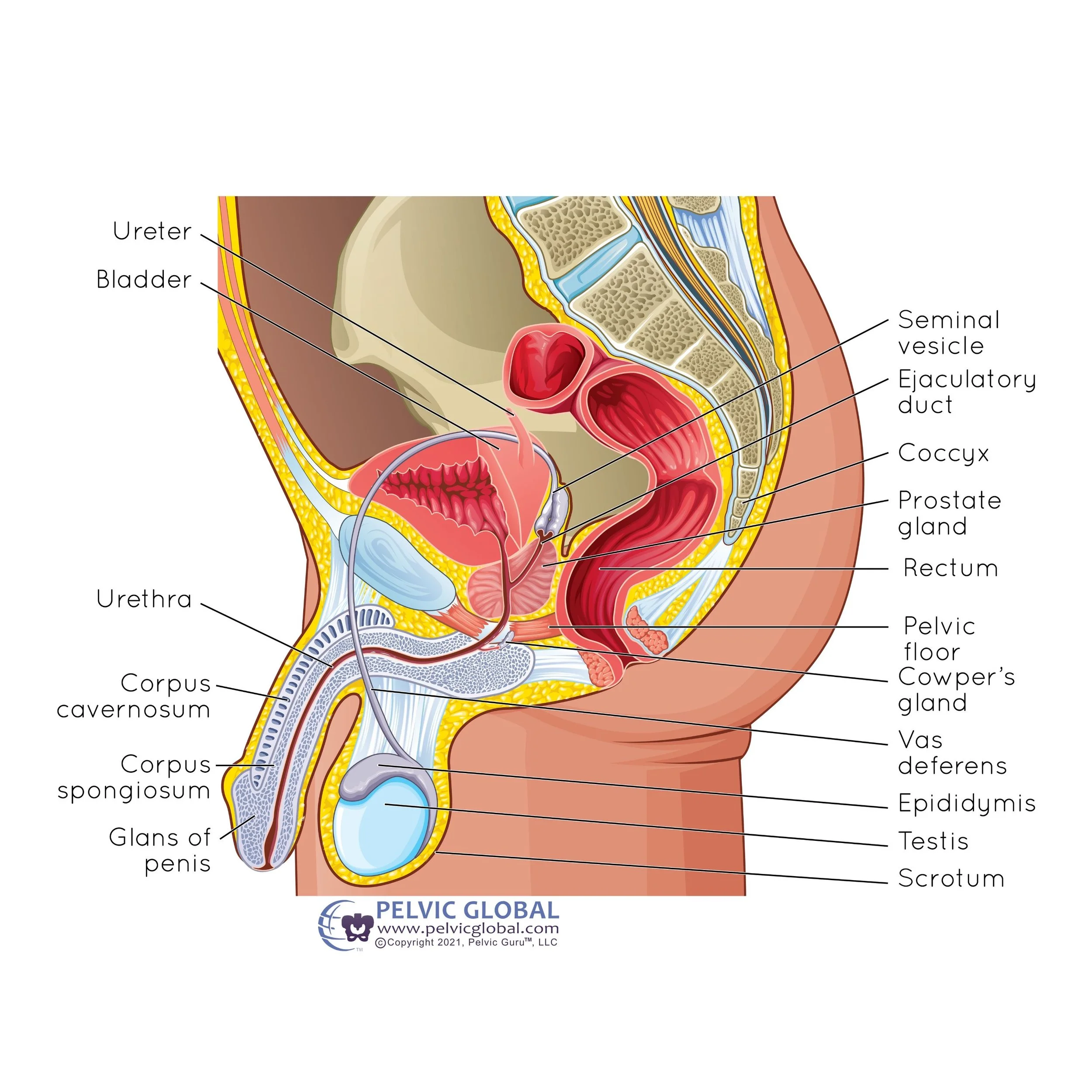
Understanding anatomy is key to safe tucking:
- Testicles can move upward into the inguinal canals, which are natural passageways used before birth
- Penis is typically positioned backward and downward between the legs
- Compression garments or tape hold everything in place
Importantly:
- No force should be used
- Comfort and circulation are priorities
- Everyone’s anatomy is different
Common Tucking Methods

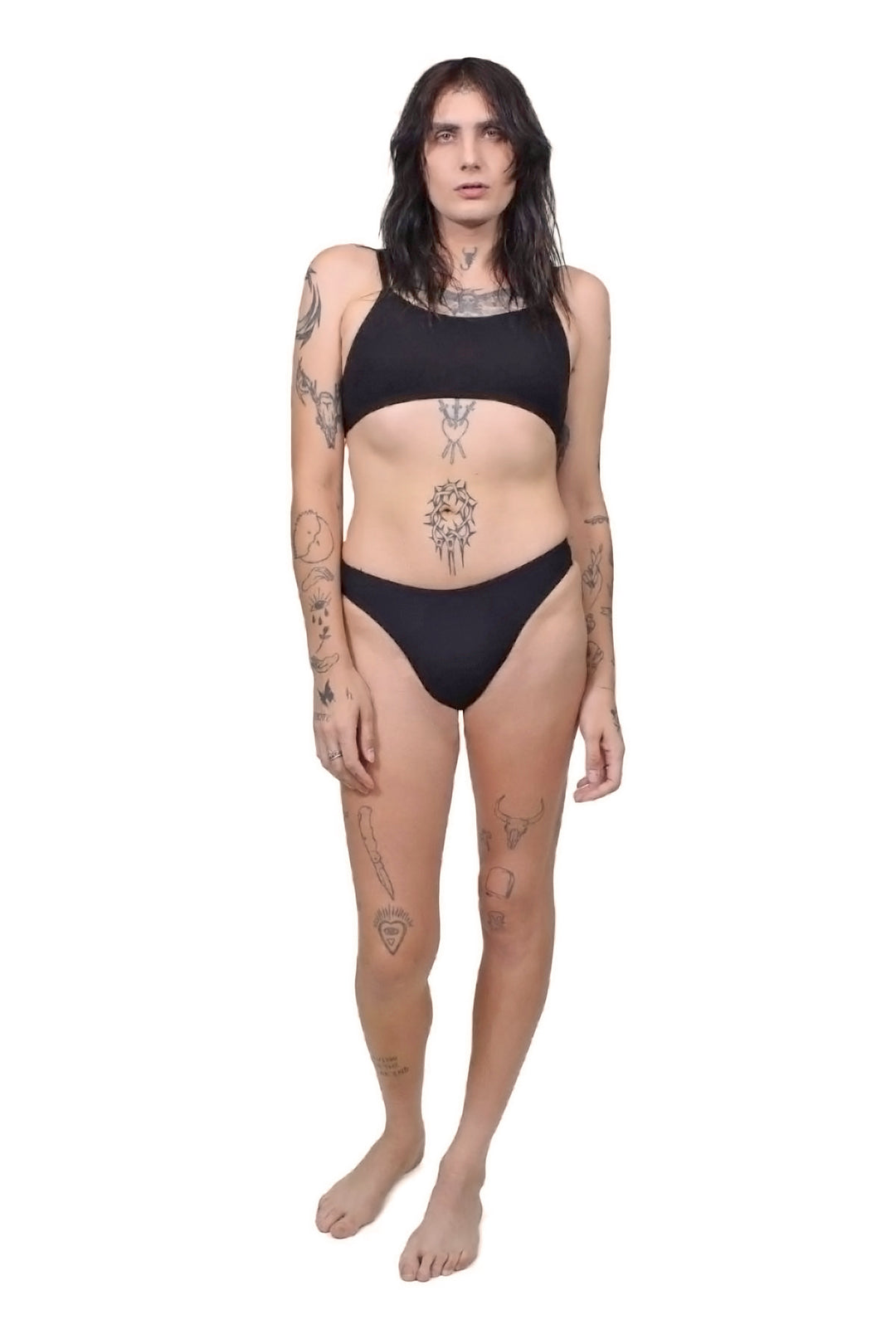

1. Gaffs (Specialized Underwear)
- Designed specifically for tucking
- Provide compression and shaping
- Reusable and beginner-friendly
2. Tucking Thongs & Briefs
- Minimal coverage with strong support
- Popular for tight clothing and swimwear
- Often made from spandex or power mesh
3. Tape-Based Tucking
- Uses body-safe medical tape
- Creates a very flat appearance
- Requires care, experience, and skin protection
4. Swimwear-Integrated Tucking
- Built-in compression panels
- Avoids tape in wet environments
- Designed for pools and beaches
Safety & Comfort Considerations
Tucking should never be painful. Best practices include:
- Take breaks from tucking when possible
- Avoid sleeping while tucked
- Ensure proper blood circulation
- Watch for numbness, pain, or discoloration
- Use breathable, high-quality materials
- Stay hydrated and avoid overheating
People with hernias, chronic pain, or circulatory issues should consult a medical professional before frequent tucking.
Is Tucking Permanent or Harmful?
When done correctly:
- Tucking is temporary
- No permanent physical changes occur
- Fertility is not affected by occasional or moderate tucking
Long-term daily tucking should be approached mindfully, with attention to comfort, hygiene, and rest periods.
Emotional & Psychological Impact
For many people, tucking is not just physical—it’s emotional:
- Can significantly reduce dysphoria
- Enhances confidence and self-image
- Helps people feel aligned with their identity
- Supports social comfort and safety
For others, it’s simply a fashion or performance tool, with no deeper emotional meaning—and that’s equally valid.
Final Thoughts
Genital tucking is a personal, flexible, and widely used practice that supports gender expression, fashion, performance, and self-comfort. There is no single “right” reason to tuck—and no obligation to do so.
Whether used daily, occasionally, or just once out of curiosity, tucking is about choice, comfort, and self-expression